


What Is Digital Marketing? Strategies to Grow Your Business Online
Introduction:
Digital marketing is the use of online channels, platforms, and data to attract, engage, and convert the people most likely to need your products or services. It can help startups and established businesses build awareness, generate qualified leads, communicate with customers, and measure the performance of their campaigns.
A successful digital marketing plan is not based on one channel alone. It connects search engine optimization, social media, email, paid advertising, content, and a conversion-focused website around clear business goals. In this guide, we explain the main benefits of digital marketing and the strategies businesses can use to build a stronger online presence.
Key Benefits of Digital Marketing for Businesses
- Reach the right audience across relevant channels
Digital channels allow a business to reach local, regional, or international audiences through search engines, social platforms, email, websites, and online advertising. The best channel depends on where your customers spend time and how they make purchasing decisions. - Use budgets more efficiently
Digital campaigns can be tested, adjusted, and scaled based on performance. This does not mean digital marketing is automatically cheaper than traditional marketing; it means businesses can usually gain more visibility into targeting, spend, and results. - Personalize communication and targeting
Businesses can organize audiences by factors such as location, interests, behavior, customer stage, and previous interactions, while respecting applicable privacy requirements. More relevant messaging can improve the customer experience. - Measure the customer journey
Analytics can show how people discover a business, which pages they visit, what campaigns generate engagement, and which actions lead to inquiries or sales. Measurement should focus on business outcomes, not impressions alone.
5 Digital Marketing Strategies to Build Sustainable Growth
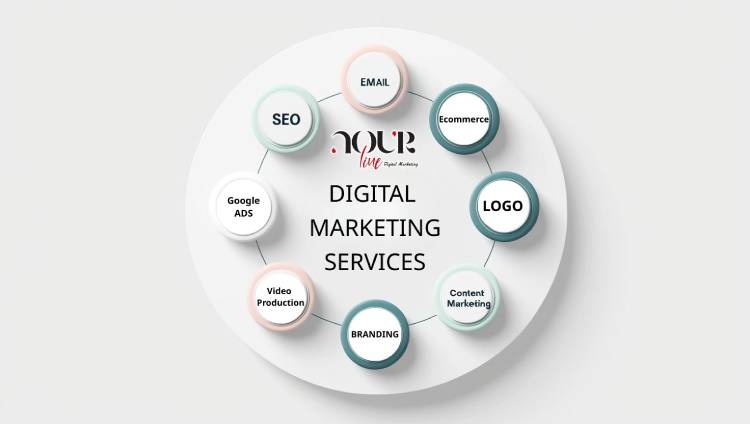
There is no single strategy that guarantees success for every business. The right marketing mix depends on your goals, audience, offer, location, sales cycle, resources, and available data. The following channels can work together as part of an integrated plan.
01
1. Search Engine Optimization (SEO)
SEO improves a website’s content, structure, and technical accessibility so search engines can understand its pages and show them to people with relevant search intent. It can attract unpaid organic traffic, but good SEO is more than adding keywords to a page.
An effective SEO program may include search-intent research, useful service pages, descriptive titles and headings, optimized images, internal linking, mobile usability, technical audits, and regular measurement in Google Search Console and analytics. Tools such as SEMrush can support keyword research and competitive analysis, but the final content should be written for people and should answer their questions clearly.
02
2. Social Media Marketing
Social media marketing helps businesses build awareness, communicate with audiences, distribute content, and create opportunities for customer conversations. Facebook, Instagram, TikTok, LinkedIn, and other platforms serve different audiences and content formats, so channel selection should follow customer research rather than trend alone.
Start with a consistent content direction, clear brand messaging, and a realistic publishing schedule. Use short videos, educational posts, stories, polls, customer examples, and community responses where they fit your audience. Paid social campaigns should have a defined objective, audience, creative variation, landing page, and conversion measurement.
03
3. Email Marketing
Email marketing gives businesses a direct channel for educating prospects, nurturing leads, announcing offers, and maintaining customer relationships. Its effectiveness depends on permission-based list growth, relevant segmentation, useful messages, and consistent testing.
Create a clear sign-up experience, explain what subscribers will receive, and avoid sending irrelevant messages. Segment the list by customer needs or stage, write useful subject lines, include one primary call to action, and monitor delivery, opens, clicks, unsubscribes, leads, and sales. Platforms such as Mailchimp can help manage lists and automate campaigns.
04
4. Pay-Per-Click Advertising (PPC)
PPC advertising places paid messages in search engines, social platforms, and other advertising networks according to the campaign setup. Depending on the platform, advertisers may pay for clicks, impressions, views, or other actions—not always only when someone clicks.
Google Ads can help capture demand when users search for relevant services. Meta Ads can help reach selected audiences based on campaign objectives and available targeting options. Strong PPC campaigns require accurate tracking, relevant ad copy, focused landing pages, controlled budgets, negative-keyword management where applicable, and ongoing testing of audiences and creative.
05
5. Content Marketing
Content marketing attracts and educates an audience by publishing useful information at different stages of the customer journey. The best content is not defined by format alone; it should address a real need, demonstrate relevant expertise, and lead the reader toward an appropriate next step.
Useful formats may include SEO-focused articles, service guides, case studies, comparison pages, educational videos, webinars, podcasts, checklists, and infographics. Build a content
calendar around customer questions, connect related pages with internal links, update important articles, and include a clear call to action.
Read also: Top Content Ideas for Business Websites.
Frequently Asked Questions (FAQs) About Digital Marketing
Digital marketing is the use of digital channels and platforms—such as search engines, websites, email, social media, and online advertising—to promote a business and communicate with a target audience.
Digital marketing uses online channels and can provide more detailed targeting and measurement. Traditional marketing uses channels such as print, television, radio, outdoor advertising, and direct mail. Both can be effective; the right mix depends on the audience, objective, budget, and buying journey.
The timeframe varies by channel and objective. Paid campaigns may generate traffic shortly after launch, while SEO and content marketing usually need more time to build visibility and authority. Set a baseline, define measurable goals, and evaluate results over a period that matches the campaign cycle.
Start with the customer and the business goal. A local service business may prioritize local SEO, a focused website, and lead-generation campaigns, while an e-commerce business may combine product content, paid search, social media, email, and conversion optimization.
Why Choose Nourline for Digital Marketing Services?
At Nourline, we connect strategy, creative content, websites, search visibility, paid campaigns, and measurement around your business objectives. Our approach is designed to help you reach the right audience, give customers a clear path to action, and improve campaigns based on meaningful performance data.
Our digital marketing services may include:
• SEO strategy, content optimization, and technical recommendations.
• Tailored Google Ads and paid media campaigns.
• Social media content and community-focused campaigns.
• Conversion-focused website and landing-page design.
• E-commerce marketing and customer-journey improvements.
• Analytics setup, reporting, and ongoing optimization.