


Search Engine Optimization (SEO): A Practical Guide to Growing Your Organic Traffic
Introduction:
Search engine optimization, or SEO, helps search engines understand your website and helps potential customers find your products or services through unpaid search results. A strong SEO strategy combines useful content, clear site structure, technical performance, and a thorough understanding of what your audience searches for.
A professional website alone is not enough. Your pages must answer real customer questions, load efficiently, work well on mobile devices, and make it easy for visitors to take the next step. This guide explains what SEO is, why it matters, the three main areas of SEO, and the practical actions that can improve your website’s visibility over time.
For a broader overview, read What Is Digital Marketing and How Can It Boost Your Business?
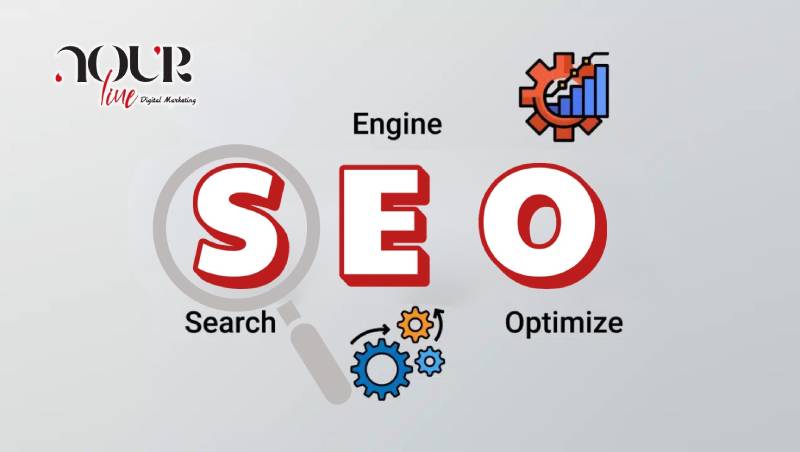
What Is SEO and How Does It Help Your Website?
SEO is the process of improving a website so that search engines can crawl, understand, and present its pages to people searching for relevant information, products, or services. It includes content quality, keyword research, page titles and headings, internal links, technical accessibility, mobile usability, website performance, and authority earned through relevant external references.
The goal is not to manipulate search results or repeat keywords. The goal is to publish useful, trustworthy content and create a website that serves the searcher’s intent better. Organic traffic is unpaid traffic from search results, although SEO itself requires planning, content production, technical work, and ongoing measurement.
Why SEO Matters for Business Growth
- It attracts users with relevant intent
SEO connects your website with people who are already searching for answers, services, or products related to your business. This can make organic visits more relevant than untargeted traffic. - It builds visibility beyond paid campaigns
Paid advertising can generate immediate traffic while a campaign is active. SEO focuses on building an asset that can continue to attract visitors after individual pages are indexed and begin earning visibility. - It supports trust and consideration
Clear, useful content and a professional website help potential customers evaluate your expertise before they contact you. Search visibility alone is not a credibility guarantee, but it can increase the number of opportunities for people to discover your brand. - It provides measurable insights
Search data can reveal the questions, services, locations, and topics your audience cares about. These insights can improve your content, landing pages, products, and wider marketing strategy.
The 3 Core Areas of SEO
01
1. On-page SEO

On-page SEO improves the content and visible elements of your own pages. It includes matching content to search intent, using clear headings, writing descriptive title tags and meta descriptions, optimizing images and alt text, improving readability, and linking related pages together.
Example: A company targeting “property marketing in Saudi Arabia” should create a genuinely useful page about that service, explain who it serves, describe the process, answer common questions, and use the phrase naturally where relevant.
02
2. Off-page SEO
Off-page SEO concerns signals outside your website, especially relevant mentions and links from reputable sources. Sustainable link acquisition comes from useful resources, partnerships, digital PR, industry contributions, and content that others genuinely want to reference. Avoid buying low-quality links or using manipulative link schemes.
03
3. Technical SEO
Technical SEO makes it easier for search engines to access and process your website. It may include crawlability, indexation, XML sitemaps, robots.txt rules, canonical URLs, redirects, HTTPS, mobile usability, structured data, page performance, and resolving duplicate or broken pages.
Helpful tools: Google Search Console can help monitor indexing and search performance, while PageSpeed Insights can help evaluate page performance and user experience.
🛠 Helpful Tools:
- Google Search Console
- PageSpeed Insights
A Practical SEO Process for Your Website
- Understand your audience and search intent
Identify who you want to reach, what they need, where they are located, and whether they are looking for information, comparing options, or ready to contact a provider. - Build a keyword and topic map
Use keyword research tools such as SEMrush or Ubersuggest to discover relevant terms, but organize them around topics and customer needs rather than inserting keywords mechanically. Assign a primary topic to each important page to reduce overlap between pages. - Improve existing pages before producing more content
Update outdated information, strengthen weak sections, add original examples, improve headings, clarify calls to action, and make the page easier to scan. Helpful, reliable, people-first content should be the priority. - Strengthen internal links and site structure
Connect service pages, category pages, case studies, and related articles with descriptive anchor text. Make sure important pages can be reached through normal crawlable links. - Earn relevant external references
Create useful resources and build relationships with relevant websites, associations, publications, and partners. Quality and relevance are more important than collecting a large number of unrelated backlinks. - Measure, learn, and iterate
Use Search Console and analytics to monitor impressions, clicks, click-through rate, queries, landing pages, leads, and conversions. Compare changes over a meaningful period and improve the pages that show the greatest opportunity.
How Long Does SEO Take to Show Results?
SEO does not have a fixed timeline. Some technical improvements may be reflected relatively quickly, while meaningful growth in impressions, rankings, clicks, and leads can take weeks or months. The timeframe depends on your website’s current authority, competition, technical condition, content quality, industry, location, and consistency of implementation.
Instead of promising a specific number of months, establish a baseline in Google Search Console and analytics, set measurable goals, and review progress regularly. SEO is a compounding strategy: pages may gain visibility as search engines process changes, users interact with the content, and the website earns relevant authority.
How SEO Works with Other Digital Marketing Channels
SEO becomes more valuable when it supports the rest of your marketing system.
- Google Ads: SEO insights can improve ad copy, landing-page relevance, page speed, and the questions addressed on conversion pages. Paid and organic traffic should still be measured separately so each channel can be evaluated accurately.
- Email marketing: SEO content can give email subscribers helpful resources, while email engagement can reveal topics that deserve stronger landing pages or follow-up articles.
- Social media: Social platforms can distribute useful content and introduce new audiences to your website. Social sharing is not a substitute for technical SEO or relevant search visibility, but it can support discovery and brand awareness.
- Content marketing: Keyword and query data can inform editorial planning, while high-quality content can support internal linking, lead generation, and customer education.
Related reading: What Is Digital Marketing?.
Ready to improve your visibility on Google?
Contact Nourline for a tailored SEO consultation
📧 Email us: info@nourline.com
🌐 Visit our website: nourline.com
📱 WhatsApp: +201034977017
📘 Follow us on Facebook
Why Choose Nourline for Professional SEO Services?
At Nourline, we build SEO strategies around your audience, services, location, competition, and business goals. Our work is designed to connect technical improvements with useful content and measurable customer actions.
Our SEO services may include:
- Audience, market, competitor, and search-intent research.
- Keyword mapping and content planning for important service pages.
- SEO content writing and optimization for existing pages.
- Technical SEO reviews covering crawlability, indexation, speed, mobile usability, and site structure.
- Internal-linking recommendations and content architecture.
- Performance measurement through Search Console, analytics, and agreed business KPIs.