


5 Principles of Professional Logo Design and Brand Identity
A strong logo is an important part of how customers recognize your business, but a successful brand is more than a single symbol. It includes the visual language, messaging, colors, typography, and customer experience that work together across your website, social media, advertising, packaging, and business materials.
In this guide, we explain the difference between a logo, visual identity, and brand identity, show what makes a logo effective, and outline the elements of a consistent brand system. For a broader marketing context, read [What Is Digital Marketing and How Does It Boost Your Business?]
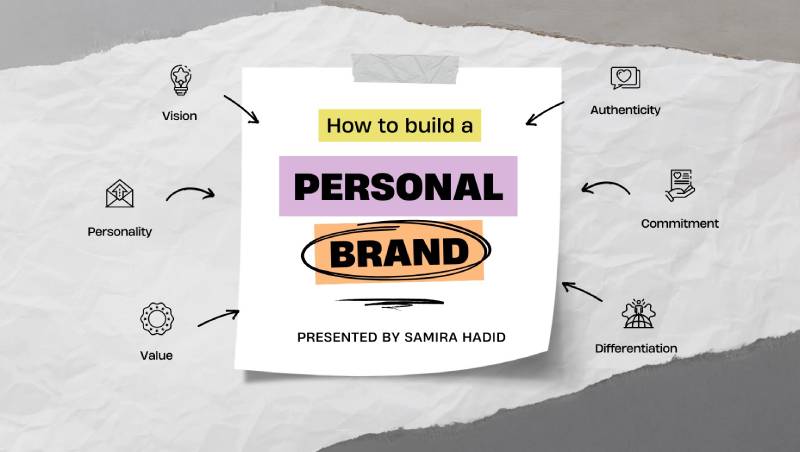
Logo vs. Visual Identity vs. Brand Identity: What Is the Difference?
Logo
A logo is a recognizable graphic mark, wordmark, or combination of both that identifies your business. It should be clear, distinctive, relevant to your audience, and usable in different sizes and formats.
Visual identity
Visual identity is the complete visual system around the logo. It may include colors, typography, photography style, icons, layouts, patterns, supporting graphics, and rules for using these elements consistently.
Brand identity
Brand identity is broader than visual design. It includes how the business presents its personality, values, promise, voice, and customer experience. A consistent visual identity helps make those brand qualities recognizable across channels.
5 Ways a Strong Brand Identity Supports Digital Marketing
- It improves recognition
Consistent visual elements help people identify your business when they encounter it across search results, social media, advertisements, email, and your website. - It communicates professionalism
A considered visual system creates a more organized experience and helps visitors understand that the business pays attention to detail. - It makes campaigns more consistent
Using the same colors, typography, imagery, and messaging across landing pages and advertisements creates a clearer path from the first impression to the conversion action. - It supports customer relationships
A distinctive identity can make interactions easier to remember. Loyalty, however, depends on the full customer experience, including product quality, service, communication, and reliability. - It reduces design inconsistency
Brand guidelines give teams practical rules for using logos, colors, typefaces, images, and templates across digital and print channels.
What Makes a Logo Effective and Usable?
A professional logo should be simple enough to recognize quickly and distinctive enough to separate the business from competitors. It should work in full color, one color, light and dark versions, and at the small sizes used for social profile images or browser icons.
Before approving a logo, test it on the website, mobile screens, social profiles, documents, signage, and any important customer touchpoint. A logo generator can help with early ideas, but a strategic identity system usually requires decisions about audience, positioning, differentiation, typography, color, usage rules, and file formats.
Essential Elements of a Complete Visual Identity System
A complete visual identity should give your team enough guidance to create consistent materials without making every design decision from scratch. It commonly includes the primary logo, alternative logo versions, supporting marks, color specifications, typography hierarchy, image direction, icon style, graphic elements, layout examples, and ready-to-use templates.
A practical brand guideline document should explain where each asset can be used, which clear space and minimum size the logo requires, which colors and fonts are approved, and which applications to avoid. The system should be flexible enough for websites, social media, presentations, email, print materials, and advertising.
How Brand Identity Strengthens Your Digital Marketing
A consistent identity makes it easier to produce recognizable social content, website sections, advertising creatives, promotional materials, and email campaigns. It can support clarity and trust at different customer touchpoints, but the effect should be evaluated alongside the quality of the offer, message, audience targeting, landing page, and customer experience.
Use brand assets consistently, then measure outcomes that matter to the campaign: qualified visits, engagement, inquiries, leads, sales, repeat purchases, and conversion rate. The logo is one part of the system; it should work with clear messaging and a customer journey designed to make the next action easy.
Read also: [What Is Digital Marketing and How Does It Boost Your Business?]
Why Choose Nourline for Logo and Brand Identity Design?
Nourline helps businesses turn their positioning and personality into a practical visual system. We consider your audience, industry, competitors, customer touchpoints, and marketing goals before developing a logo and identity that can be used consistently across digital and print channels.
Our brand design services may include:
- Logo concept development and professional logo design.
- Primary, secondary, monochrome, and responsive logo versions.
- Color palette, typography, imagery, and supporting graphic direction.
- Brand guidelines and ready-to-use templates.
- Brand assets for websites, social media, advertising, presentations, and business materials.
- Strategic consultation for a clearer and more consistent brand presence.
🚀 Ready to Launch a Visual Identity That Inspires?
Ready to build a recognizable brand identity?
📧 Contact us: info@nourline.com
🌐 Visit our website: nourline.com
📱 WhatsApp: +201034977017
📘 Facebook: Nourline Agency